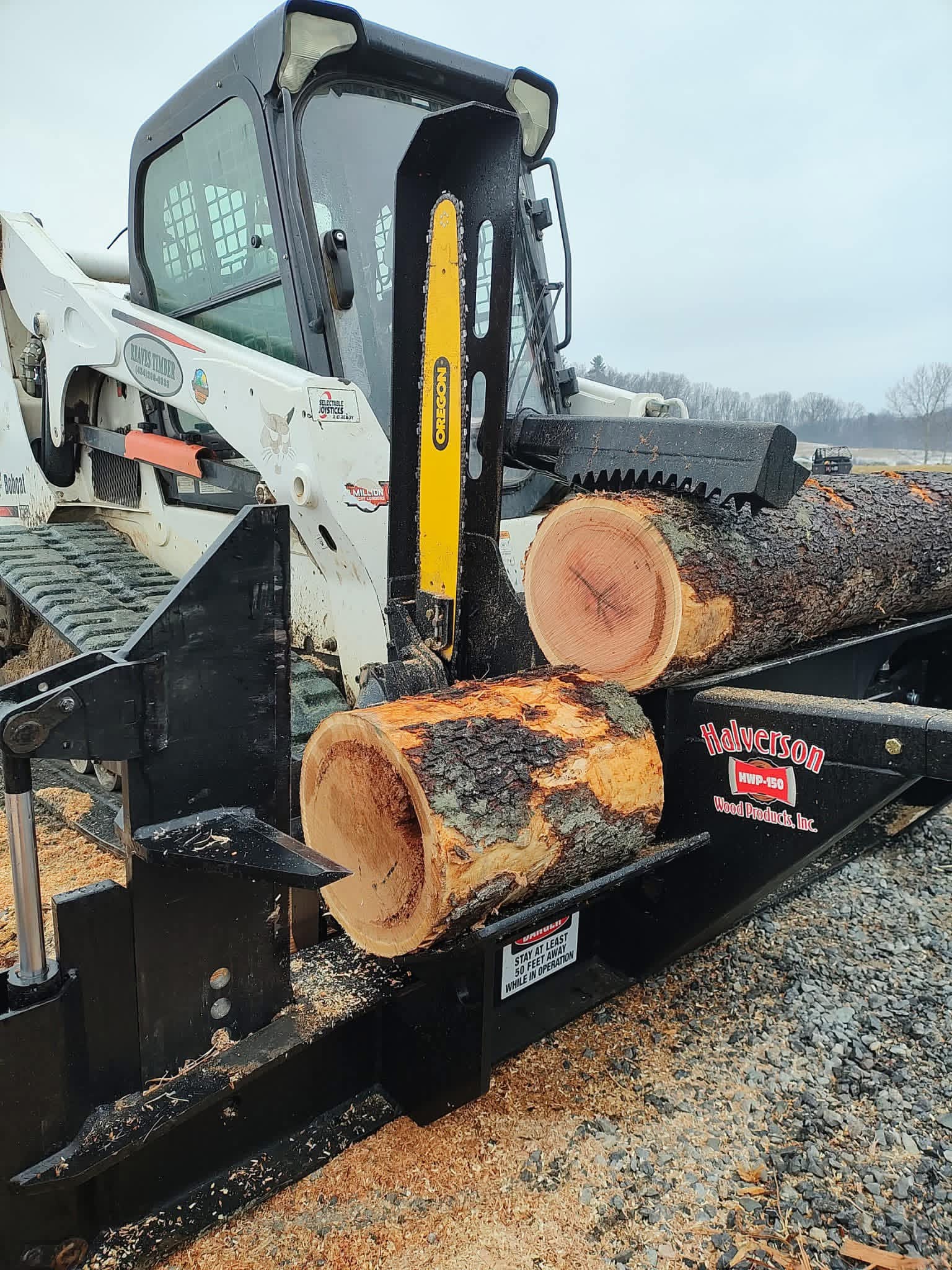
If you own wooded land in Lynchburg, Bedford, Amherst, or the surrounding counties of Central Virginia, your trees may be worth more than you think — and selling standing timber can be one of the most rewarding decisions you make as a landowner. But the process can feel complicated if you’ve never done it before.
At Reaves Timber of Virginia, we’ve been buying standing timber and helping local landowners navigate this process for over 75 years. This guide walks you through everything you need to know before you sign anything or let anyone set foot on your property.
WHAT IS “STANDING TIMBER” AND WHO BUYS IT?
Standing timber refers to trees that are still rooted in the ground and sold as a group to a logging company or timber buyer. Rather than harvesting the wood yourself, you sell the rights to harvest specified trees — and a professional crew handles everything from felling to hauling.
Timber buyers like Reaves Timber evaluate your property, make an offer based on species, volume, and market conditions, and handle the harvest according to an agreed-upon plan. In Virginia, landowners sell more than $319 million of standing timber annually, making it one of the state’s most significant rural income sources.
WHAT FACTORS AFFECT THE VALUE OF YOUR TIMBER?
No two timber sales are alike. The price you’ll receive depends on a combination of factors specific to your land and the current market:
- Tree species: Hardwoods like red oak, poplar, and hickory typically command higher prices than pulpwood species.
- Tree size & maturity: Larger, mature trees yield more usable lumber and are more valuable to mills.
- Volume (total acreage): Larger tracts are generally more economical to harvest and may fetch better per-unit prices.
- Terrain & access: Level ground near established roads reduces harvesting costs, increasing your net return.
- Distance to mill: Proximity to processing facilities (like those along the James River corridor) lowers hauling costs.
- Current market demand: Timber prices fluctuate with lumber markets, paper demand, and regional mill activity.
CLEAR-CUTTING VS. SELECT CUTTING: WHICH IS RIGHT FOR YOUR LAND?
One of the biggest decisions you’ll make is how your timber is harvested. There’s no universal right answer — it depends on your goals for the land after the sale.
Clear-Cutting All merchantable trees are removed from a defined area. This maximizes immediate income and is often the right choice if you’re preparing land for development, agriculture, pasture, or a fresh forest regeneration. Reaves Timber specializes in large-acreage clear-cut projects for both residential and commercial landowners in the Lynchburg area.
Select Cutting Only specific trees are harvested — typically the most mature or commercially valuable — while the rest of the forest remains intact. This is ideal if you want to preserve the character of your land, maintain wildlife habitat, or plan to harvest again in the future. Our crews are experienced in owner-specified select cuts that protect your remaining trees and minimize site disturbance.
THE 5 STEPS TO SELLING YOUR TIMBER IN CENTRAL VIRGINIA
- Know your property boundaries. Have a current survey or deed map on hand. Timber buyers need to know exactly what land is in play before making an offer.
- Assess your goals. Are you clearing for development? Generating income? Improving forest health? Your goal shapes the type of sale and harvest method you choose.
- Get a timber evaluation. Contact a local buyer like Reaves Timber to walk your property. We’ll assess species, volume, terrain, and access before discussing price.
- Review the timber sale contract carefully. A good contract specifies the harvest method, the acreage involved, access roads, cleanup expectations, and payment terms. Never sign without reading it thoroughly.
- Plan for after the harvest. Will you replant? Convert to pasture? Leave it to regenerate naturally? Thinking ahead protects the long-term value of your land.
WHY WORK WITH A LOCAL TIMBER BUYER IN THE LYNCHBURG AREA?
Choosing a buyer with deep roots in Central Virginia matters. Local buyers understand the terrain — from the rolling hills of Bedford County to the steep ground along the James River. They have established relationships with nearby mills, which keeps hauling costs down and offers up. And they have a reputation in the community to protect.
Reaves Timber has operated out of Big Island, VA — just 17 miles northwest of Lynchburg — for more than 75 years. Our family has harvested timber across Bedford, Amherst, Appomattox, and Campbell Counties, and we know this land intimately. When you call us, you’re talking to the same family that will show up on your property — not a call center.
COMMON MISTAKES LANDOWNERS MAKE WHEN SELLING TIMBER
Accepting the first offer without shopping around. Timber prices vary between buyers. It never hurts to get more than one evaluation.
Not specifying the harvest method in writing. Verbal agreements don’t hold up. Make sure your contract clearly states whether it’s a clear-cut or select-cut and what the site conditions should look like afterward.
Ignoring road access and site cleanup. Who builds and maintains access roads? Who handles brush and slash after the harvest? These details belong in the contract.
Waiting too long. Timber that is overripe, diseased, or storm-damaged loses value quickly. If you’ve been sitting on mature hardwoods, now may be a better time to act than later.
READY TO FIND OUT WHAT YOUR TIMBER IS WORTH?
Reaves Timber of Virginia has been buying standing timber from landowners in Lynchburg, Bedford, Amherst, and throughout Central Virginia for over 75 years. We’ll walk your property and give you an honest evaluation — no obligation.